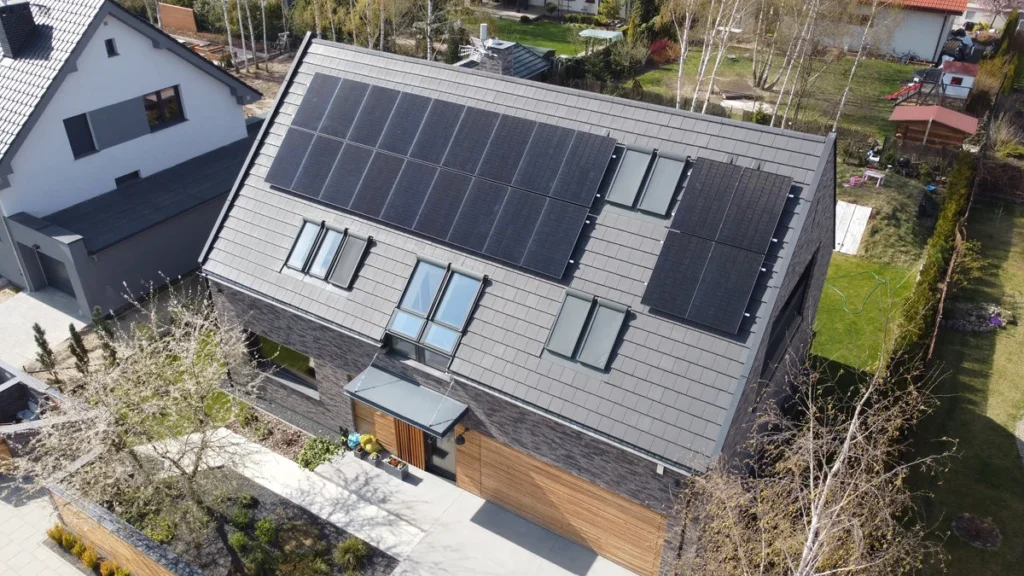
Solar panels can reduce your reliance on grid electricity, but the best system is the one that matches how your household actually uses energy. Before choosing a package, look at your daytime electricity use, roof orientation, available roof space, and any plans to add a battery, electric vehicle, or larger appliances.
Check your roof and switchboard
A solar assessment should review the roof structure, shading, panel layout, cable route, and the condition of the switchboard. Older switchboards may need an upgrade before a new solar system can be connected safely and in line with current requirements.
Size the system around your usage
A larger system is not automatically better. Your installer should use your electricity bills and household routine to recommend a practical size. If most of your energy is used in the evening, battery storage or simple usage changes may help you get more value from the solar power you generate during the day.
Ask for a clear installation plan
Before work begins, confirm what is included in the quote, where the inverter will be installed, how monitoring will work, and what workmanship and product warranties apply. A clear plan makes the installation easier to manage and helps avoid unexpected costs.